Skip to content
Sleep divorce 101 isn’t about breaking up it’s about breaking the habit of bad sleep.
Right now, 1 in 5 UK couples has either tried a sleep divorce or is thinking about it. Not because their relationship is failing, but because snoring, fidgeting, and duvet-hogging were failing their sleep. And here’s the twist: couples who try a sleep divorce don’t report feeling more distant. They report feeling more patient, more present, and honestly just less exhausted with each other.
Turns out, the secret to a happier relationship might just be… separate rooms. Sleep Divorce https://sleeporacles.com/
So What Exactly Is Sleep Divorce?
Sleep divorce 101 went viral in early 2026, showing up everywhere from TikTok to celebrity interviews, with searches for the term spiking by almost 500% in a single week. The comments were full of the same reaction: “wait, this has a name?”

 , And that’s the thing a lot of couples have quietly been practicing their own version of sleep divorce for years. It’s not one dramatic decision, it’s a spectrum: separate rooms, separate beds in the same room, or just different bedtimes so you’re not disturbing each other. The trend didn’t invent the idea it just gave permission to talk about it openly, without it being read as a sign something’s wrong.
Unlike “just drifting apart,” a sleep divorce is intentional. It’s not neglecting the relationship it’s two people deciding that good sleep matters enough to rearrange the furniture for it.
The Real Benefits of Sleep Divorce
Most headlines focus on the awkwardness of sleep divorce. We think that misses the point. Done thoughtfully, sleeping apart can genuinely help both your rest and your relationship.
It removes the nightly disruptions you’ve stopped noticing. Snoring is the single biggest complaint behind sleep divorce 101, followed closely by fidgeting and duvet-hogging. A quarter of people say they sleep noticeably better without their partner in the bed not because they don’t want them there, but because bodies are hard to sync up.
It protects the version of you that shows up the next day. Poor sleep doesn’t just make you tired — research shows it makes couples argue more and makes it harder to accurately read your partner’s mood. A well-rested partner is a more patient, present one.
It stops resentment from building quietly. Constantly losing sleep to someone else’s habits can wear on a relationship far more than sleeping in separate rooms ever would. Naming the problem and choosing a sleep divorce beats pretending it’s fine.
It can bring you closer, not further apart. Counter intuitively, several surveys show couples who try a sleep divorce 101 report feeling more connected during the day, not less – because neither person is running on empty anymore.
What to Include in Your Sleep Divorce Setup

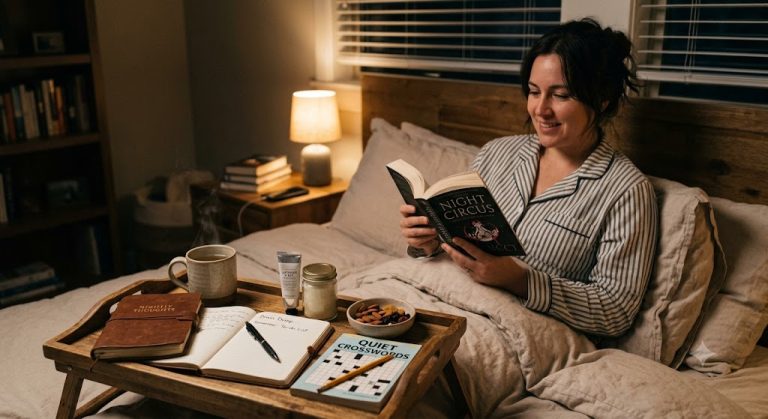
There’s no single “right” way to do sleep divorce – it should fit your specific sleep issues:
- Separate rooms, if space allows and the disruption is constant (e.g. chronic snoring)
- Separate beds in the same room, for couples who want proximity without the physical disturbance
- Staggered bedtimes, going to bed and waking at different times without needing separate spaces at all
- An occasional arrangement, used only on bad nights, while travelling, or when kids are in the mix
- A “reunion ritual”, like a proper goodnight or a shared morning coffee, to keep the emotional connection intact
What to Avoid With Sleep Divorce
A few things can turn a helpful sleep divorce 101 arrangement into an unhelpful one:
- Treating it as a punishment or silent statement – if it’s framed as “I can’t stand sleeping near you” rather than “let’s both get better rest,” it can genuinely hurt the relationship instead of helping it.
- Skipping the conversation entirely – quietly moving to the spare room without talking about it first can read as rejection, even when that’s not the intention.
- Ignoring an underlying issue – if snoring is severe, it’s worth mentioning to a doctor rather than just sleeping around it, since it can occasionally signal something like sleep apnea.
- Losing all physical/emotional connection – sleeping apart doesn’t have to mean drifting apart during the day. Keep the small rituals that make you feel like a team.
- Making it permanent before trying smaller fixes – sometimes a new mattress, earplugs, or a later bedtime solves the issue without needing a full sleep divorce at all.
A Simple Sleep Divorce Example
Here’s what a low-key sleep divorce arrangement might look like in practice:
- 10:00 PM – Partner A heads to the main bedroom; Partner B settles into the spare room or a separate bed
- 10:05 PM – Quick goodnight, maybe a hug or a few minutes of chatting before lights out
- 7:00 AM – Both wake up on their own schedule, no interruptions
- 7:15 AM – Reconnect over morning coffee before the day starts
Is Sleep Divorce Worth Trying?
If you and your partner are constantly waking each other up, it’s worth an honest, non-awkward conversation about whether a sleep divorce could help. Sometimes the fix is a mattress upgrade. Sometimes it’s separate rooms. Either way, the goal was never distance it’s making sure you both wake up as the best version of yourselves.