 Skip to content

Can sleep paralysis kill you? It’s one of the most searched and fear-driven sleep questions online. Waking up unable to move, feeling pressure on your chest, or sensing a presence in the room can feel life-threatening.
But here’s the reassuring truth:
Sleep paralysis itself does not kill you.
Understanding what’s happening in your body can remove fear and restore a sense of control.
What Is Sleep Paralysis?
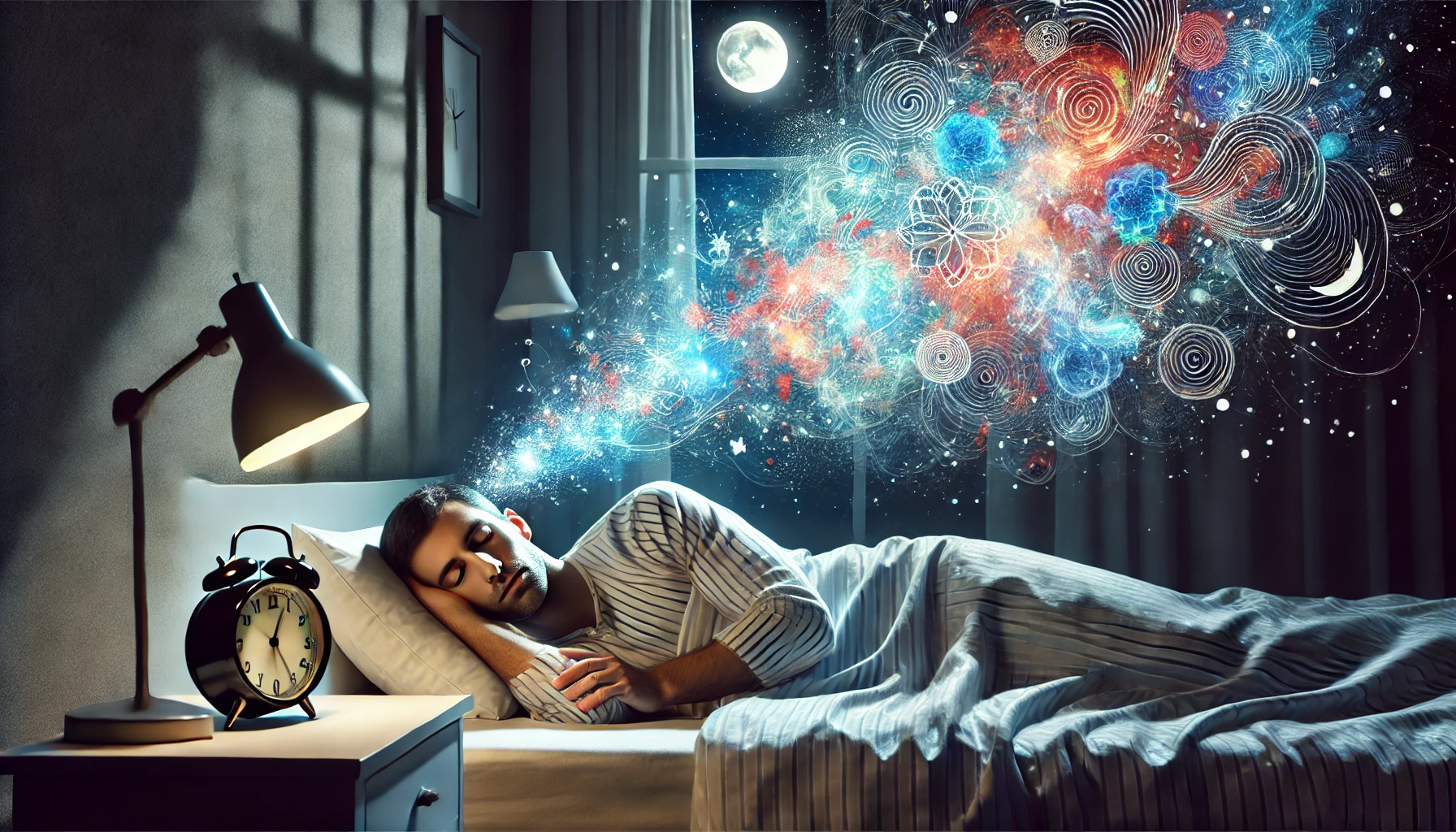
Sleep paralysis occurs when your brain wakes up before your body fully exits REM sleep.
During REM sleep, your body enters a temporary state of muscle paralysis (called REM atonia). This prevents you from acting out dreams. In sleep paralysis, this muscle shutdown lingers briefly while your awareness returns.
You are conscious.
You are breathing.
But you cannot move.
This temporary disconnect is what creates panic.
If you’re wondering again, can sleep paralysis kill you, remember: this is a temporary neurological overlap not a life-threatening event.
So, Can Sleep Paralysis Kill You?

No – sleep paralysis cannot kill you.
It does not stop your heart.
It does not stop your breathing.
It does not cause suffocation.
However, it can feel like you can’t breathe.
This sensation happens because:
- Chest muscles remain relaxed from REM sleep
- Breathing becomes shallow
- Anxiety heightens breath awareness
The fear response amplifies the sensation but physiologically, your body is safe.
For further reassurance, the NHS explains sleep paralysis as a harmless but distressing condition.<a href=”https://www.nhs.uk/conditions/sleep-paralysis/” can sleep paralysis kill you?
Why Sleep Paralysis Feels So Real
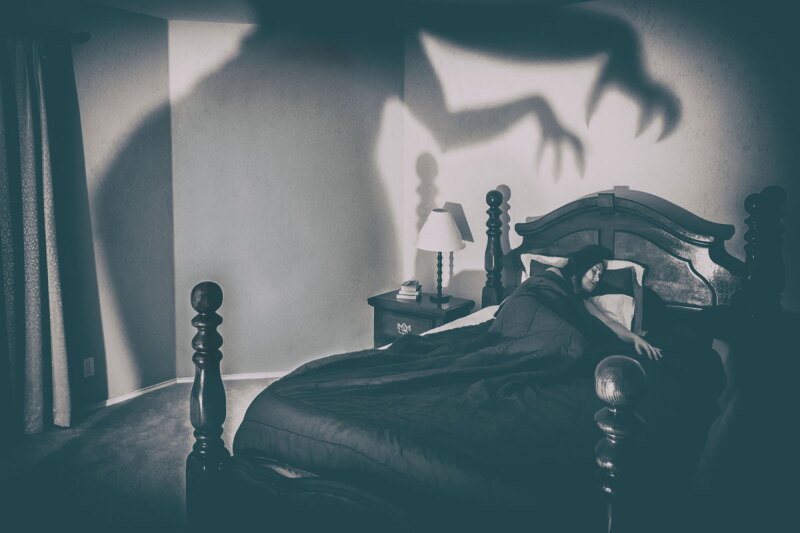
Many people experiencing sleep paralysis report:
- A heavy weight on the chest
- A shadowy presence
- Visual or auditory hallucinations
- A strong sense of doom
These are called hypnagogic or hypnopompic hallucinations. They occur because part of your brain is still dreaming while another part is awake.
Your imagination remains active.
Your muscles remain offline.
Your fear system switches on.
This combination creates the terrifying illusion that something is wrong.
But again sleep paralysis cannot kill you.
What Triggers Sleep Paralysis?

Episodes are more likely when:
- You sleep on your back
- You’re sleep deprived
- Your sleep schedule is inconsistent
- You’re under high stress
- You have anxiety
How to Reduce Episodes
1. Maintain a Consistent Sleep Schedule
Go to bed and wake up at the same time daily.
2. Improve Sleep Quality
Keep your room cool, dark, and quiet.
3. Reduce Stress Before Bed
Create a calming wind-down ritual.
4. Avoid Sleeping on Your Back
Side sleeping may help.
5. Support Nervous System Regulation
Magnesium, breathing exercises, and stress management may support relaxation (consult a professional before supplementing).
The more regulated your nervous system becomes, the less dramatic episodes tend to feel.
When Should You Seek Help?
Although sleep paralysis cannot kill you, frequent episodes may indicate:
- Chronic sleep deprivation
- Severe anxiety
- Narcolepsy (rare but possible if very frequent)
If episodes are persistent or deeply distressing, speak to a qualified sleep professional for personalised assessment.
Conclusion: The Truth About Sleep Paralysis
If you’ve been asking yourself, can sleep paralysis kill you, the clear and reassuring answer is no.
Sleep paralysis is a temporary neurological state where REM muscle relaxation overlaps with wakefulness. It can feel overwhelming even supernatural but it is not dangerous and it is not fatal.
For many people, simple reassurance and improved sleep structure are enough to reduce episodes. And if episodes are frequent, intense, or causing distress, seeking professional guidance can bring clarity, stability, and peace of mind.
Understanding what’s happening removes the fear.
And when fear reduces, the experience often becomes far less powerful.
You are safe even when it doesn’t feel that way.
The body is designed to protect you during sleep not harm you.
Sleep paralysis is unsettling, but it is temporary.
Knowledge turns fear into understanding.
And understanding reduces the power of the experience.








