 Skip to content
Snoring and sleep Apnea are common sleep disorders that can significantly impact your quality of life and health. Numerous solutions and treatments are available to help manage these conditions. This blog post will explore the causes, symptoms, and effective treatments for snoring and sleep Apnea.

Snoring and sleep Apnea are common sleep disorders that can significantly impact your quality of life and health. Numerous solutions and treatments are available to help manage these conditions. This blog post will explore the causes, symptoms, and effective treatments for snoring and sleep Apnea.
Understanding Snoring and Sleep Apnea
Snoring is the sound produced by the vibration of soft tissues in the throat during sleep. It can be a nuisance to both the snorer and their partner.
Sleep Apnea is a more serious condition where breathing repeatedly stops and starts during sleep. The most common type is Obstructive Sleep Apnea (OSA), caused by a blockage of the airway.
Common Causes of Snoring and Sleep Apnea
Obesity: Excess weight, particularly around the neck, can cause airway obstruction.
Alcohol Consumption: Alcohol relaxes throat muscles, increasing the likelihood of snoring.
Nasal Congestion: Blocked airways can make breathing difficult and cause snoring.
Sleep Position: Sleeping on your back can cause the tongue to block the airway.

Symptoms of Sleep Apnea
Loud snoring
Episodes of stopped breathing during sleep
Gasping for air during sleep
Morning headache
Excessive daytime sleepiness
Difficulty concentrating
Diagnosing Sleep Apnea
If you suspect you have sleep apnea, it’s essential to seek medical advice. A sleep study (polysomnography) may be recommended to diagnose the condition accurately.
Solutions and Treatments
Lifestyle Changes
Weight Loss: Reducing weight can help alleviate snoring and sleep apnea symptoms.
Avoid Alcohol: Limit alcohol consumption, especially before bedtime.
Change Sleep Position: Sleeping on your side can prevent airway obstruction.
Medical Devices
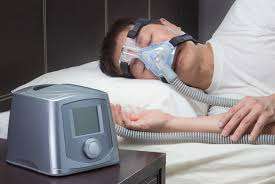
Continuous Positive Airway Pressure (CPAP) Machine: This device delivers a steady stream of air through a mask to keep the airway open.
Mandibular Advancement Device (MAD): A dental appliance that holds the jaw forward to keep the airway open.

Surgical Options
Uvulopalatopharyngoplasty (UPPP): Removes excess tissue from the throat to widen the airway.
Genioglossus Advancement (GA): Repositions the tongue muscle to prevent airway collapse.
Alternative Treatments
Positional Therapy: Using special pillows or devices to encourage side sleeping.
Nasal Strips or Dilators: Help open nasal passages to improve airflow.

Conclusion
Dealing with snoring and sleep apnea can greatly improve your quality of life and overall health. With the right diagnosis and treatment, you can manage these conditions effectively. If you or your partner are experiencing symptoms, don’t hesitate to seek medical advice and explore the solutions available.








